Genesis 1-2, Moses 2-3, Abraham 4-5 Study Guide -- "In the Beginning God Created"
Key Takeaway
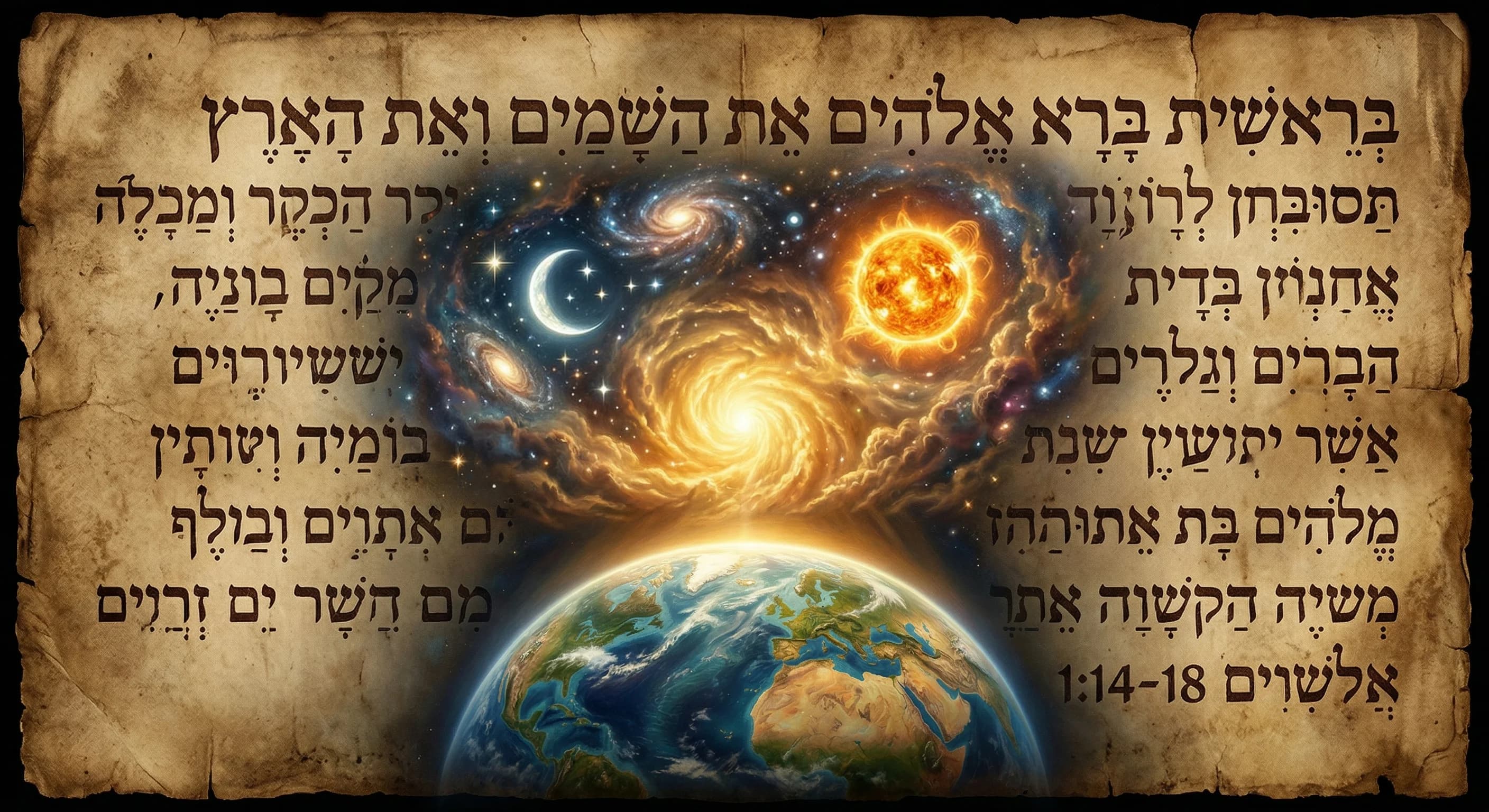
Three creation accounts -- Genesis, Moses, and Abraham -- each reveal distinct truths about how and why God organized the earth. This week explores what the original Hebrew and restored texts teach about the Creation.
The Bible opens with one of the most studied sentences in human history: "In the beginning God created the heaven and the earth" (Genesis 1:1). But Latter-day Saints have the remarkable privilege of studying three creation accounts side by side -- Genesis 1-2, Moses 2-3, and Abraham 4-5 -- each adding layers of understanding that no single text provides alone.
The Hebrew word "bara" (to create) in Genesis 1:1 does not necessarily mean creation from nothing. Abraham's account uses "organized," and Moses's account emphasizes spiritual creation preceding physical creation. These are not contradictions -- they are complementary perspectives on the same divine act. Comparing all three accounts reveals a pattern of deliberate, purposeful organization rather than accidental existence.
Notice the structure of the creation days. Each follows a pattern: God speaks, the thing is accomplished, God evaluates it as "good" (Hebrew: "tov"), and there is evening and morning. The Hebrew word "tov" means more than good -- it means functional, fitting, and aligned with purpose. Each element of creation serves a role in the whole.
Free Scripture Study Tools
Explore the scriptures with Latter-Day Daily
Interlinear readers, word studies, timeline, maps, Come Follow Me guides, and 40+ more tools — all free.
Start for freeThe creation of humanity stands apart. "Let us make man in our image" (Genesis 1:26) -- the plural pronoun points to the council described in Abraham 3. Humanity was not an afterthought. The entire creation was preparation for God's children to receive bodies and enter mortality.
Study questions for this week: What differences do you notice between the three creation accounts? What does it mean that God declared creation "very good" (not just good) after creating humanity? How does the Sabbath pattern established at creation apply to your weekly worship?
The seventh day -- the Sabbath rest -- is not merely cessation of work. The Hebrew "shabbat" implies completion and wholeness. God rested not because He was tired, but because His work was finished and whole.
Go deeper with Latter-Day Daily
40+ free tools for scripture study: interlinear Hebrew & Greek, word origins, Come Follow Me, maps, timelines, and more.
Related Study Tools
Interlinear Reader
Read Genesis 1 word by word in the original Hebrew with English glosses.
Translation Forensics
Compare how 'bara' (create) is translated across different Bible versions.
Etymology Explorer
Trace the Hebrew roots of 'bara' (create), 'tov' (good), and 'shabbat' (rest).
Scripture Map
Explore the geographic setting of the Garden of Eden narrative.
Chiastic Structures
Discover the literary structure of the Genesis 1 creation account.
Related Posts
Genesis 24-33 Study Guide -- "Let God Prevail" (Jacob and Esau)
Jacob's story is the story of transformation. From the scheming supplanter who stole a birthright to the man who wrestled with God and became Israel, Genesis 24-33 shows that God works with imperfect people.
Genesis 42-50 Study Guide -- "God Meant It unto Good"
Joseph's reunion with his brothers and his declaration -- "ye thought evil against me; but God meant it unto good" -- is one of the Old Testament's most powerful statements of divine providence.
Genesis 12-17, Abraham 1-2 Study Guide -- "The Abrahamic Covenant"
The Abrahamic covenant -- land, posterity, and priesthood blessing -- is the backbone of the entire Old Testament. Abraham 1-2 restores the personal story behind the covenant's most important recipient.
Weekly scripture insights
Get study guides delivered to your inbox each week.