Elohim, YHWH, and Adonai: The Names of God in Hebrew Scripture
Key Takeaway
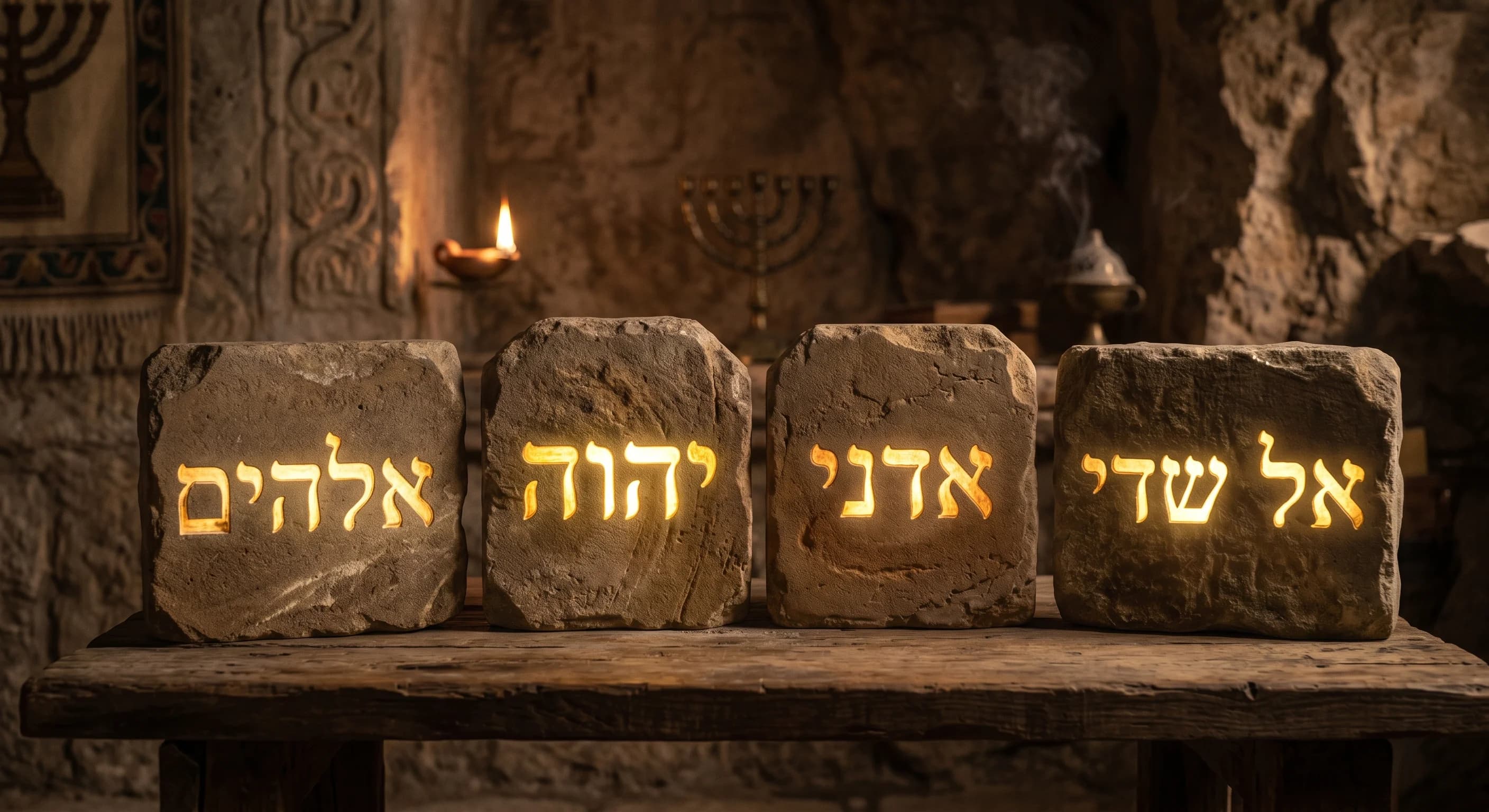
The Old Testament uses multiple names for God, and each carries distinct theological meaning. Understanding Elohim, YHWH, Adonai, and El Shaddai transforms how you read scripture and understand the Godhead.
English Bible readers often miss one of the most theologically significant features of the Hebrew text: the Old Testament uses multiple names for God, and the choice of which name to use in any given passage is theologically intentional. Translators typically render these as "God," "LORD," "Lord," and "God Almighty," using capitalization to distinguish them. But the original Hebrew names carry specific meanings that reveal distinct aspects of the divine character.
Elohim: The Creator God
The first word for God in the Bible is "Elohim" -- "In the beginning Elohim created the heavens and the earth" (Genesis 1:1). Elohim is grammatically plural in Hebrew (the suffix "-im" is the masculine plural marker), though the verbs associated with it are singular, indicating one divine being who encompasses divine fullness. Latter-day Saints understand this plurality through the lens of the Godhead -- the Father, the Son, and the Holy Ghost are all present at creation.
Free Scripture Study Tools
Explore the scriptures with Latter-Day Daily
Interlinear readers, word studies, timeline, maps, Come Follow Me guides, and 40+ more tools — all free.
Start for freeElohim appears predominantly in contexts of creation, transcendence, and universal sovereignty. It is the name used when God acts as the Creator and sovereign of all nations -- not just Israel. The plural form suggests divine council, completeness, and the fullness of divine attributes.
In Restoration theology, Elohim specifically names Heavenly Father. This distinction between Elohim (the Father) and Jehovah (the Son) was clarified in a 1916 doctrinal exposition by the First Presidency and has become standard Latter-day Saint usage.
YHWH (Jehovah): The Covenant God
The divine name YHWH -- four Hebrew consonants, the "Tetragrammaton" -- is the most sacred name in all of Jewish tradition. Jewish custom forbids pronouncing it; synagogue readers substitute "Adonai" (Lord) whenever they encounter it. The KJV renders it as "LORD" (in small capitals) approximately 6,800 times.
The name YHWH is revealed to Moses at the burning bush in Exodus 3:14-15: "And God said unto Moses, I AM THAT I AM: and he said, Thus shalt thou say unto the children of Israel, I AM hath sent me unto you." The Hebrew "Ehyeh asher Ehyeh" (I AM THAT I AM) is the first-person form; "YHWH" is the third-person form -- "He who causes to be" or "He who is." The name declares God's self-existent, eternal nature and His ongoing faithfulness to act.
YHWH appears almost exclusively in covenant contexts -- in God's dealings with Israel specifically as their covenant partner. In Genesis, Elohim creates the world, but YHWH plants the garden with man (Genesis 2:8). Elohim judges the Flood, but YHWH establishes the rainbow covenant (Genesis 9:8-17). The distinction reveals the two poles of Old Testament theology: transcendent Creator (Elohim) and intimate Covenant Partner (YHWH).
Restoration theology identifies YHWH/Jehovah as Jesus Christ -- the premortal Son of God who appeared to the patriarchs and prophets, who gave the Law to Moses, who is the God of Israel in the Old Testament. This identification is consistent with John 8:58 -- "Before Abraham was, I am" -- where Jesus uses the Greek equivalent of YHWH's self-declaration.
Adonai: The Lord, the Master
"Adonai" (plural of "Adon," lord/master) is the word Jewish readers substitute when they encounter YHWH in the text. The KJV renders it "Lord" (with only the first letter capitalized, as distinct from "LORD" for YHWH). "Adonai" describes God as master, sovereign, and lord over creation and over Israel. When Israel cries "Adonai, Adonai" in distress, they are invoking their Lord and Master -- the one with authority to deliver.
Psalm 110:1 uses both names: "The LORD (YHWH) said unto my Lord (Adonai), Sit thou at my right hand." Jesus quotes this verse in a dispute with the Pharisees (Matthew 22:44), asking how David could call his son "lord" (Adonai). The verse identifies the Messiah as one whom YHWH honors with divine authority -- a distinction only possible between two distinct divine persons.
El Shaddai: God Almighty
"El Shaddai" is typically translated "God Almighty," though the etymology of "Shaddai" is debated. It may derive from "shadad" (to overpower) or from a Semitic root meaning "mountain" or from "shad" (breast, nurturing one). The name appears primarily in the patriarchal narratives (Genesis 17:1, 28:3, 35:11, 48:3) as the name God uses when confirming the Abrahamic covenant. "I am El Shaddai; walk before me, and be thou perfect" (Genesis 17:1) -- it is the name associated with covenant power and divine sufficiency.
The compound names of God further reveal His character: El Elyon (God Most High, Genesis 14:18), El Roi (God who sees, Genesis 16:13), El Olam (Everlasting God, Genesis 21:33), and YHWH Yireh (The Lord will provide, Genesis 22:14 -- the name Abraham gives to Mount Moriah after the ram is provided). Each compound name was given in a specific covenantal encounter and memorialized God's action in that moment.
Why the Names Matter
Reading the Hebrew names rather than the generic English "God" or "Lord" tells you what aspect of deity the author wanted to emphasize. When a psalmist calls on YHWH, he is invoking the covenant God who knows him personally. When a prophecy speaks of Elohim judging all nations, the scope is universal. When the patriarchs encounter El Shaddai, they are receiving covenant promises backed by divine sufficiency.
For Latter-day Saints, the names map onto Restoration theology in specific ways. Elohim is Heavenly Father; Jehovah is Jesus Christ. The consistent use of Jehovah (YHWH) throughout the Old Testament as the God who delivers, covenants, and speaks to prophets is the scriptural foundation for understanding Christ's premortal role as the mediator of the Father's covenant with mankind.
Frequently Asked Questions
Go deeper with Latter-Day Daily
Interlinear Hebrew & Greek, word origins, Come Follow Me, maps, timelines, and 40+ more tools. Free to start — Scholar plan unlocks everything.
Related Study Tools
Etymology Explorer
Trace the Hebrew names Elohim, YHWH, Adonai, and El Shaddai through all their occurrences.
Interlinear Reader
See which divine name appears in any Old Testament passage and read its Hebrew form.
Names of Christ
Explore how YHWH/Jehovah in the Old Testament connects to Christ's names and titles.
Covenant Tracker
Trace how El Shaddai, YHWH, and Elohim appear at key covenant moments from Adam to Moses.
Word Explorer
Search for Elohim, YHWH, or El Shaddai and see every verse where each name appears.
Related Posts
Genesis 24-33 Study Guide -- "Let God Prevail" (Jacob and Esau)
Jacob's story is the story of transformation. From the scheming supplanter who stole a birthright to the man who wrestled with God and became Israel, Genesis 24-33 shows that God works with imperfect people.
Genesis 42-50 Study Guide -- "God Meant It unto Good"
Joseph's reunion with his brothers and his declaration -- "ye thought evil against me; but God meant it unto good" -- is one of the Old Testament's most powerful statements of divine providence.
Exodus 1-6 Study Guide -- "I Have Remembered My Covenant"
Exodus begins with Israel in bondage and God declaring: "I have remembered my covenant." Moses's call at the burning bush and the revelation of God's name YHWH set the stage for the greatest deliverance in the Old Testament.
Weekly scripture insights
Get study guides delivered to your inbox each week.