The Parables of Jesus: A Study Guide with Latter-day Saint Cross-References
Key Takeaway
The parables of Jesus are simple on the surface and bottomless underneath. Studying them with cross-references from Restoration scripture reveals connections that illuminate both the parable and the Latter-day Saint doctrine it foreshadows.
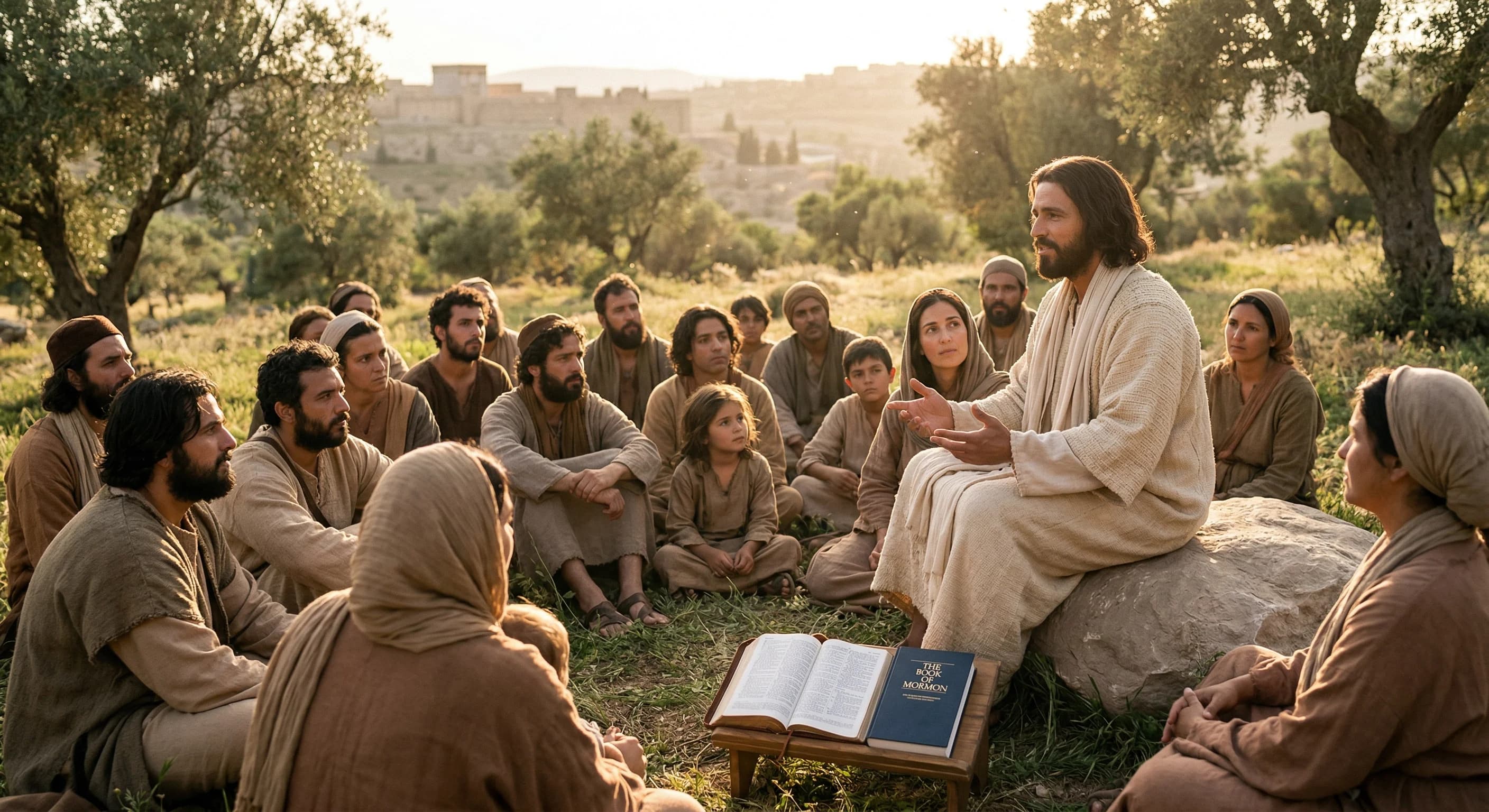
Jesus Christ taught using parables -- short narratives drawn from everyday life that carry spiritual meaning beneath the surface story. The Gospels record more than 30 distinct parables, and Jesus Himself explained that He used this method deliberately: "Because it is given unto you to know the mysteries of the kingdom of heaven, but to them it is not given" (Matthew 13:11). Parables reward careful study. They reveal more the longer you sit with them, and they reveal even more when you bring Restoration scripture into the conversation.
Consider the Parable of the Prodigal Son in Luke 15:11-32. On its surface, it is a story about a wayward son who squanders his inheritance and returns home to a forgiving father. But Latter-day Saint readers have additional lenses. The father's response -- running to meet his son, clothing him in the best robe, placing a ring on his finger -- echoes temple imagery of being clothed in sacred garments and receiving tokens of covenant belonging. The older son's resentment mirrors the tension described in Jacob 5 (the Allegory of the Olive Tree), where branches that remained attached to the tree struggle to accept the grafted-in branches. And King Benjamin's sermon in Mosiah 4:16-19 teaches that we are all beggars before God, which reframes the prodigal not as an unusually sinful person but as a stand-in for every human being who depends on divine generosity.
The Parables tool on Scripture Deep gathers every parable into a single study interface. For each parable, the tool provides the Gospel text, a summary of the narrative elements, the traditional interpretation, and a set of cross-references from the Book of Mormon, Doctrine and Covenants, and Pearl of Great Price. These cross-references are not forced parallels; they are genuine doctrinal connections that help you see how the same principles Jesus taught in Galilee were taught by other prophets in other dispensations.
Free Scripture Study Tools
Explore the scriptures with Latter-Day Daily
Interlinear readers, word studies, timeline, maps, Come Follow Me guides, and 40+ more tools — all free.
Start for freeThe tool also groups parables by theme -- parables of the kingdom, parables of judgment, parables of mercy, parables of stewardship -- so you can study them in clusters rather than in isolation. When you read the Parable of the Talents (Matthew 25:14-30) alongside the Parable of the Ten Virgins (Matthew 25:1-13) and the Parable of the Laborers in the Vineyard (Matthew 20:1-16), you begin to see how Jesus built a multi-faceted picture of what it means to prepare for His return. Each parable illuminates the others, and the Restoration scriptures add further light. Doctrine and Covenants 82:3 -- "unto whom much is given much is required" -- is a direct echo of the Parable of the Talents, and reading them together grounds the parable in modern covenant language.
Go deeper with Latter-Day Daily
40+ free tools for scripture study: interlinear Hebrew & Greek, word origins, Come Follow Me, maps, timelines, and more.
Related Study Tools
Related Posts
Doctrine and Covenants: Modern Revelation to the Church
The Doctrine and Covenants is one of four LDS standard works—a collection of revelations received primarily by Joseph Smith from 1828 to 1844, plus a few later revelations from succeeding prophets. Unlike historical narratives, it is direct revelation addressing 19th-century church organization, doctrine, and practice.
Word of Wisdom: The LDS Health Law and Why No Coffee
The Word of Wisdom is a health law revealed to Joseph Smith in 1833, prohibiting alcohol, tobacco, coffee, and tea, while encouraging whole grains, fruits, and vegetables. Members view it as a covenant practice that demonstrates self-mastery and trust in God, and studies show statistically lower rates of cancer and heart disease in LDS populations.
Latter-day Saints vs. Catholics: Similarities and Key Theological Differences
Both Latter-day Saints and Catholics claim roots in early Christianity and value community, family, and scripture. They diverge on apostolic succession, priestly authority, the role of a living prophet, the nature of God, and the seven sacraments versus Latter-day Saint ordinances.
Weekly scripture insights
Get study guides delivered to your inbox each week.