Loading...
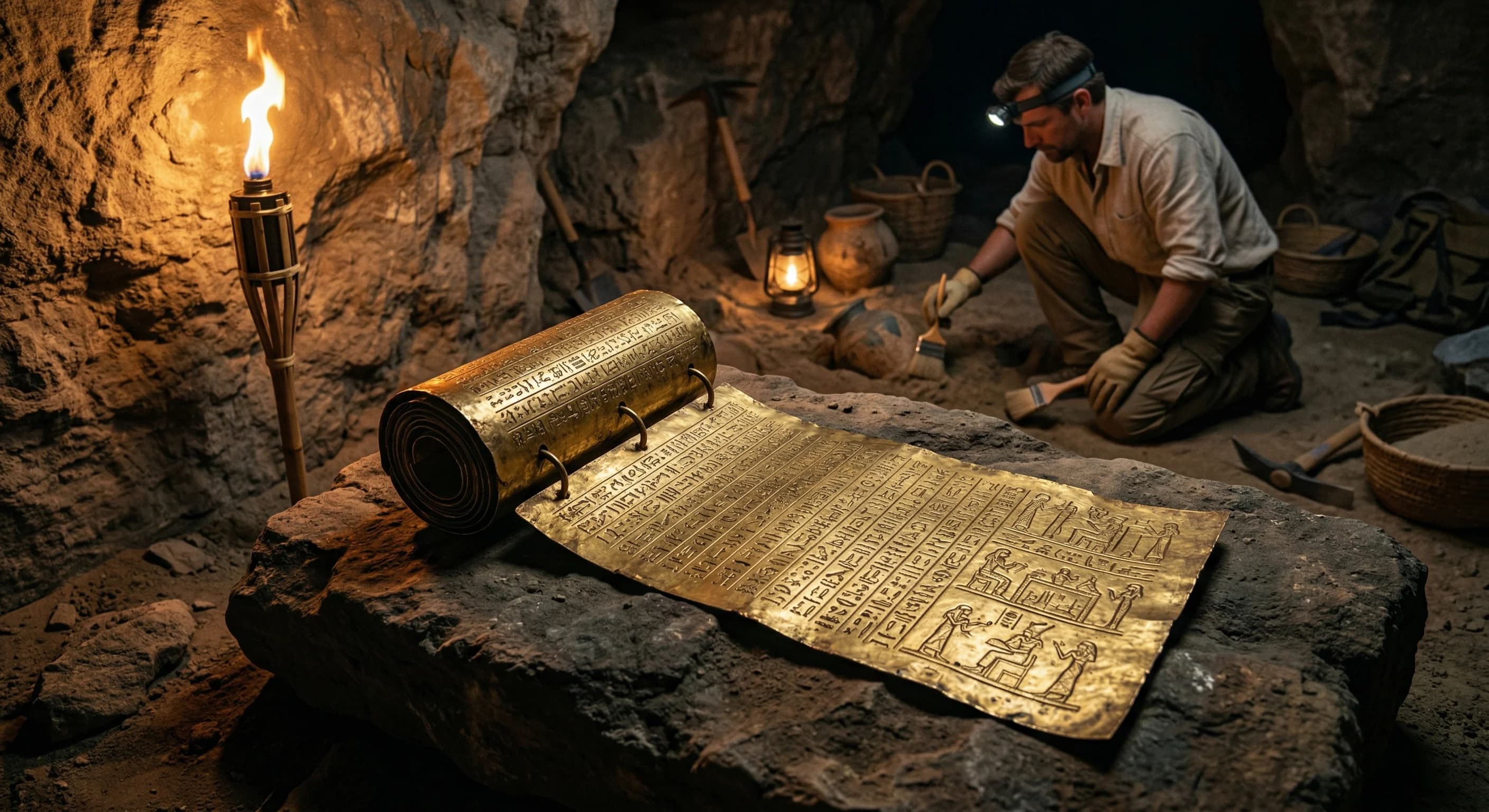
The Plates and Records Behind the Book of Mormon
Understand the ancient metal records that produced the Book of Mormon. Explore the gold plates, small plates of Nephi, large plates of Nephi, brass plates, plates of Ether, and more -- with interactive diagrams, timelines, and key verse references.
What Were the Plates of the Book of Mormon?
The Book of Mormon was not written as a single document by a single author. It was compiled from several distinct sets of metal plates, each created by different record-keepers across different eras of Nephite and Jaredite history. Understanding which plates produced which books -- and how those plates relate to each other -- is essential for understanding the Book of Mormon's structure, its editorial voice, and why certain sections read differently from others.
The most well-known set is the gold plates (also called the plates of Mormon), which Joseph Smith received from the angel Moroni and translated by the gift and power of God. But the gold plates themselves were a compilation: Mormon abridged the large plates of Nephi, which contained the political and military history of the Nephite nation from Lehi to Mormon's own day. The small plates of Nephi, which Nephi created for a more spiritual record, were included directly without abridgment. The plates of Ether, containing the Jaredite record, were abridged by Moroni and appended as the book of Ether.
Other source records also shaped the text. The brass plates, which Nephi's family obtained from Laban in Jerusalem, contained the five books of Moses, the writings of the prophets through Jeremiah, and genealogical records. These brass plates are quoted and referenced throughout the Book of Mormon. The plates of Zeniff, covering the record of the people of Zeniff and King Noah, were inserted into the large plates and appear in the book of Mosiah.
Latter-Day Daily's Plates tool brings this complex textual history to life through an interactive relationship diagram showing how each set of plates connects to the others, a timeline showing when each record was created and maintained, and detailed cards for each set of plates with creator information, content descriptions, books derived, and key verses. This is the kind of structural understanding that transforms casual reading into informed study.
How It Works
1
Explore the relationship diagram
An interactive diagram shows how the gold plates, small plates, large plates, brass plates, plates of Ether, and plates of Zeniff relate to each other.
2
View the historical timeline
A timeline spanning from 2200 BC to 421 AD shows when each set of plates was created and maintained, placing them in historical context.
3
Read detailed plate records
Each set of plates has a detailed card showing its creator, time period, content, derived books, and key verses with links to read them in context.
Key Features
Interactive Relationship Diagram
A visual map showing how the gold plates, small plates, large plates, brass plates, plates of Ether, and plates of Zeniff connect to produce the Book of Mormon.
Historical Timeline
A chronological timeline from 2200 BC to 421 AD showing when each set of plates was created and maintained across Nephite and Jaredite history.
Detailed Plate Records
Each set of plates includes creator information, time period, content summary, additional notes, and the specific Book of Mormon books derived from it.
Key Verse References
Important verses about each set of plates are displayed with full text and links to read them in context within the Book of Mormon.
Frequently Asked Questions
What are the gold plates of the Book of Mormon?
The gold plates, also called the plates of Mormon, are the metal record that Joseph Smith received from the angel Moroni and translated to produce the Book of Mormon. They were a compilation created primarily by Mormon, who abridged the large plates of Nephi covering centuries of Nephite history. The gold plates also included the small plates of Nephi (unabridged) and the plates of Ether as abridged by Moroni.
How many sets of plates are in the Book of Mormon?
At least six distinct sets of plates contributed to the Book of Mormon: the gold plates (plates of Mormon), the small plates of Nephi, the large plates of Nephi, the brass plates from Jerusalem, the plates of Ether (the Jaredite record), and the plates of Zeniff. The Plates tool explains each one, how they relate to each other, and which books of the Book of Mormon they produced.
What is the difference between the small plates and large plates of Nephi?
Nephi created two sets of plates. The small plates contain a more spiritual record focused on prophecies, visions, and gospel teachings -- they produced 1 Nephi through Omni. The large plates contain the political, military, and secular history of the Nephite nation and served as the primary source that Mormon abridged for most of the Book of Mormon from Mosiah onward.
What were the brass plates in the Book of Mormon?
The brass plates were a set of metal records that Nephi's family obtained from Laban in Jerusalem before departing for the promised land (1 Nephi 3-4). They contained the five books of Moses, the writings of Old Testament prophets through Jeremiah, and genealogical records. The brass plates are quoted throughout the Book of Mormon and served as the Nephites' primary connection to the scriptural heritage of ancient Israel.
Why is it important to understand the plates behind the Book of Mormon?
Understanding the plates helps you recognize editorial voices, explain structural shifts in the text, and appreciate the Book of Mormon as a complex compiled record rather than a single narrative. For example, knowing that Mormon is an editor and abridger -- not the original author of most of what he compiled -- changes how you read his editorial insertions and commentary throughout the text.
Start Using Plates of the Book of Mormon
Full access to Plates of the Book of Mormon and 40+ other study tools.
Starting at $7/mo or $69.99/yr
Already have an account? Sign in